
SEO (Search Engine Optimization) shares some universal rules across all industries, but for websites of construction companies, contractors, architects, developers, and building material suppliers, the strategy must be completely different. The reason is clear: customers in this field are making decisions worth hundreds of millions or even billions of tomans, their searches are highly local and seasonal, and before calling you, they want to visually see your completed projects.
In this article, we explore the 5 major differences between SEO for construction websites and e-commerce, news, educational, or general service websites — with real-world examples and actionable solutions for each.
Difference 1: Local SEO is essential, not optional
While e-commerce sites or blogs may get only 20–30% of traffic from local searches, construction websites typically receive 70–90% from local queries. Someone searching for “building contractor in Dubai” or “home renovation in Dubai” needs service today or at most next week.
Google Business Profile is the most important local ranking factor — in most UAE cities, the top three results come from the Local Pack. NAP consistency (Name, Address, Phone) across all platforms is critical; even a small discrepancy can destroy rankings. Customer reviews also carry significantly more weight because construction projects involve high financial and safety risks.
Practical comparison: An online shoe store can succeed with national or international SEO and Google Ads, but a construction company that doesn’t appear in the Local Pack practically doesn’t exist online.
Action plan:
- Fully complete your Google Business Profile (100%) — add project photos, working hours, services, and weekly posts
- Register in at least 50–100 reputable Iranian local directories
- Set up an automated review collection system via SMS or WhatsApp after project delivery

Difference 2: Visual and project-based content, not just text
News and educational sites rank with 3,000-word articles, but construction visitors want to see before-and-after photos, time-lapse videos, 360° virtual tours, and full project galleries before reading even 500 words of text.
Google has strengthened image and video algorithms specifically for this industry:
- Google Lens and image search are growing rapidly
- Project videos on YouTube rank extremely well in construction-related searches
- Images with precise alt text (e.g., “Modern 110 sqm kitchen renovation in …. ”) rank independently
A tech blog can survive with 10 stock photos; a construction website without real project photos is considered dead.
Action plan:
- Turn every project into a dedicated page with a gallery of at least 40–50 4K-quality photos
- Use Project and ImageGallery schema markup
- Create 1–2 minute time-lapse videos from foundation to handover and upload to YouTube with titles like “Building a 450 sqm villa in …..– from excavation to delivery”

Difference 3: Long-tail, local, and transactional keywords dominate
Construction keywords are almost always long-tail, local, and transactional: Examples: “2025 cost of renovating a 100 sqm home” or “best Roman façade contractor in West Tehran”
They nearly always include the city or district name, and the user is comparing prices and portfolios — not just seeking information.
In contrast, educational sites focus on informational keywords like “Python tutorial.”
| Keyword Example | Monthly Search Volume | User Intent | Approx. Conversion Rate |
|---|---|---|---|
| Building contractor | 9,900 | General | 5–10% |
| Building contractor in East Tehran | 590 | Local + Transactional | 30–40% |
Action plan:
- Use Google Keyword Planner and Google Suggestions to find “service + location” combinations
- Create separate landing pages for each service area (e.g., /Dubai)

Difference 4: E-E-A-T (trust & authority) carries much heavier weight
Since 2022, Google has significantly strengthened E-E-A-T (Experience, Expertise, Authoritativeness, Trustworthiness) for YMYL (Your Money or Your Life) topics — and large construction projects fall exactly into this category.
That’s why successful construction websites always display:
- Team resumes with real photos and Iranian Engineering Organization license numbers
- ISO certificates, insurance documents, awards, and association memberships
- A 2,000–3,000 word “About Us” page with real team photos
- Backlinks from .ir government sites and industry associations have golden value
| E-E-A-T Element | Example on Construction Site | Impact on Ranking |
|---|---|---|
| Experience | Real project galleries | High |
| Expertise | Engineering license numbers | Very High |
| Trustworthiness | Verified customer reviews + photos | High |
Action plan:
- Create a “Our Team” page with photos, resumes, and license numbers
- Earn backlinks from provincial Engineering Organization sites, builders’ associations, and municipalities

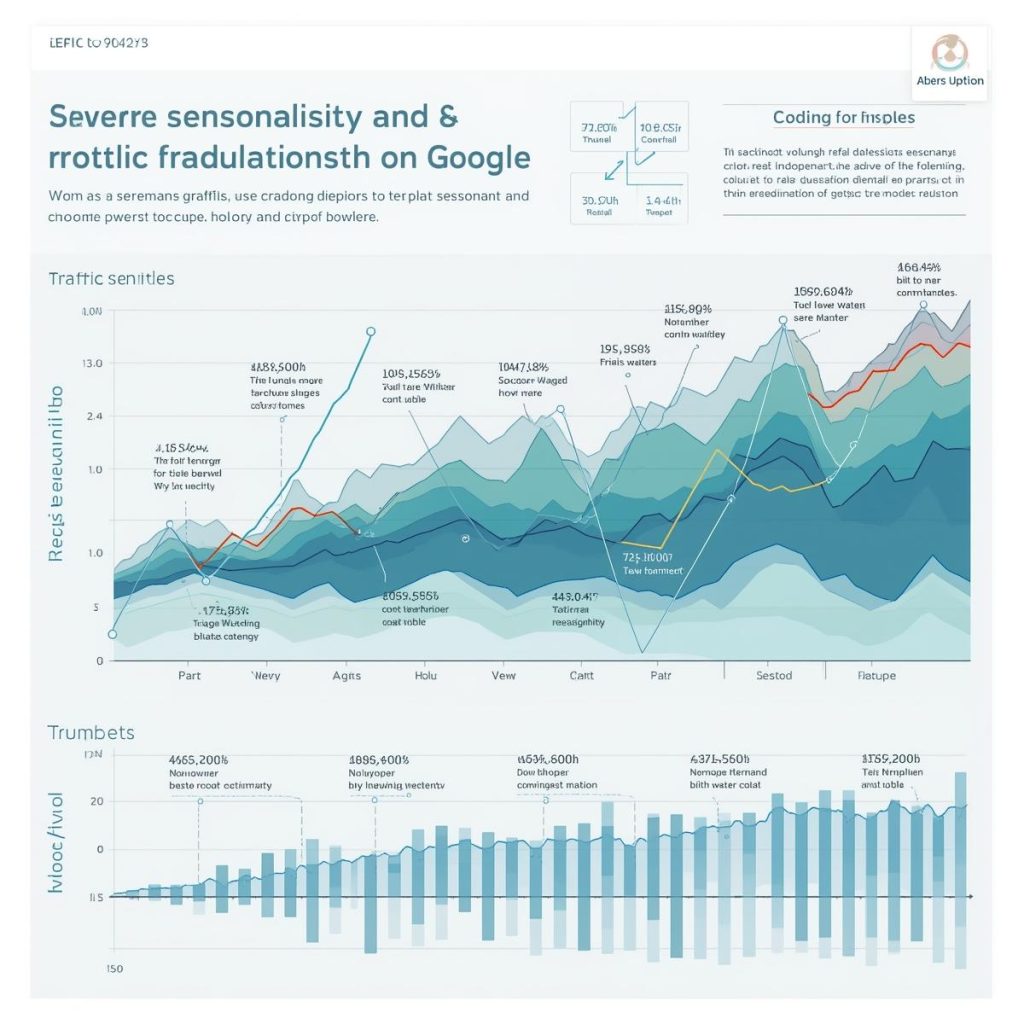
Difference 5: Extreme seasonality and traffic fluctuation
Unlike e-commerce sites with relatively stable traffic, construction websites experience dramatic seasonal swings:
- March to May: absolute peak (4–5× average)
- July to October: sharp drop (up to 70% decrease)
This requires a completely different content and budget strategy:
- Heavy content must be published November–February to rank by spring
- Triple or quadruple Google Ads budget during peak season
- “Spring project preparation” content must be published in autumn
| Season | Traffic Level | Recommended Action |
|---|---|---|
| March–May | 4–5× average | Dramatically increase ad budget |
| July–October | Up to 70% drop | Produce content for next peak |
Action plan:
- Use Google Trends to predict regional search peaks (e.g., “north Iran villa construction” starts rising in December)
- Build a reverse seasonal content calendar
Conclusion & Quick Checklist
Construction SEO is a completely different game: more local, more visual, more trust-focused, more transactional, and far more seasonal than 99% of other websites.
Quick 30-day checklist:
- Fully complete your Google Business Profile today
- Turn your last 20 projects into dedicated pages with galleries and videos
- Create separate landing pages for each service area
- Set up an automated 5-star review system
- Build a reverse seasonal content calendar for the next 6 months
Implement these five steps and in most Iranian cities, you can reach page one for your main local keywords within 6–12 months — something that takes 2–3 years in almost any other industry.

